Swedish Massage
Swedish Massage can be defined as the use of classic massage techniques to manipulate soft tissue for relaxation and holistic therapeutic purposes.
These techniques can be applied to the full body or select areas of the body, such as the upper back, lower back, neck, shoulders, arms and legs.
Swedish Massage is the foundation of many Western massage practices such as acupressure, aromatherapy and reflexology, based on the theory of releasing tension by applying pressure to the meridian points along the body.
Gentle massage techniques are performed during a Swedish Massage to help warm up the muscles, increase the blood circulation around the body allowing more oxygen and nutrients to be delivered to the muscles and exercise the ligaments and tendons to keep them supple, hence releasing tension. More vigorous types of techniques are used to break down adhesions within soft tissues.
Performing a Swedish Massage is also used to promote other health benefits such as stimulating the skin, lymphatic and nervous systems.
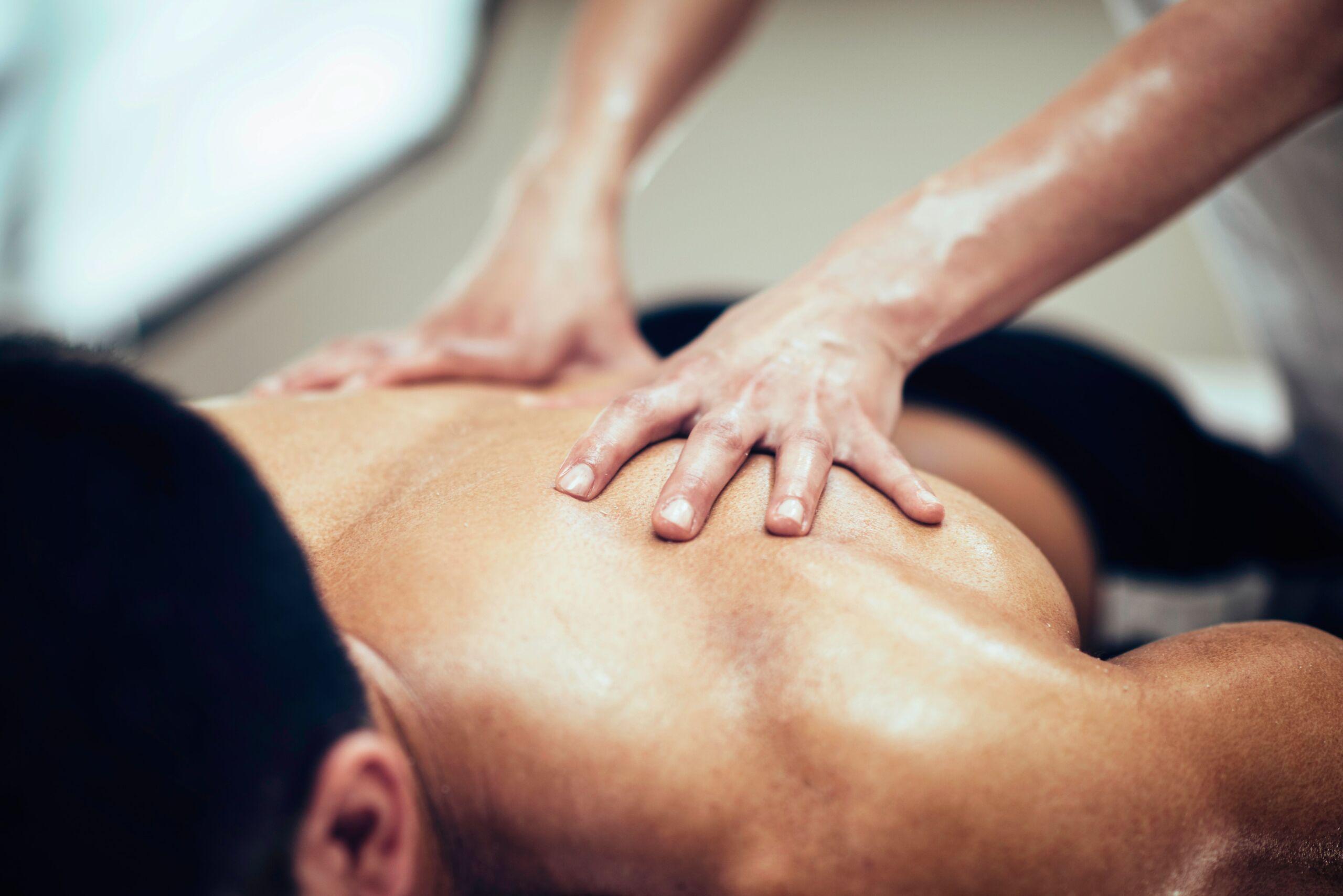
The process can be incredibly relaxing and is championed for its ability to reduce both emotional and physical stress. Swedish Massage is what is considered a ‘typical’ massage.
The specific techniques used in Swedish Massage involve the application of long gliding strokes, friction, kneading and tapping movements on the soft tissues of the body. The five basic techniques are Effleurage, Pétrissage, Friction, Vibration and Tapotement.
Effleurage is the most common stroke in Swedish Massage. It is a free-flowing and gliding movement towards the heart and is applied with light pressure, commonly used to begin and end a massage treatment. Effleurage is performed on several areas of the body using the fingers and the palms of the hands where the therapist maintains constant contact with the client, also using the technique as a connecting stroke between different stages of the massage.
It prepares the body for deeper movements, introducing the therapist’s touch whilst applying the massage medium onto the skin and warming the Effleurage increases blood circulation towards the heart, using long strokes to help increase the temperature of soft tissues. It is effective in stimulating the lymphatic system and is applied in an upwards direction towards the lymph nodes improving their function and promoting lymphatic drainage. Effleurage can be performed at a slow pace which is used to reduce stress and tension.
Pétrissage resembles kneading dough and involves lifting, rolling and squeezing the flesh under or between the hands. It usually follows after Effleurage and is a specific massage technique which involves compressing soft tissue in a circular motion. The pressure is deep, and it compresses the underlying muscles.
Force is applied across the muscle to break down and realign collagen fibres. Breaking down collagen fibres can relieve restrictive tissue, reduce pain, tightness, tension and increase movement in high or dense muscle tone areas.
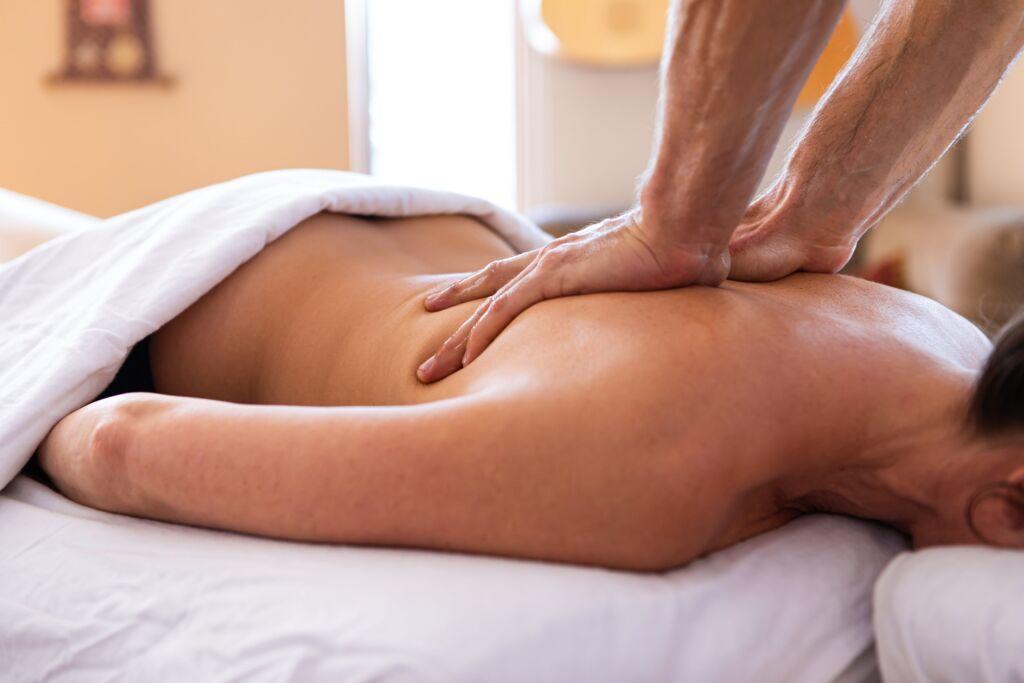
Friction strokes are used on deeper muscles. The friction technique is a passive stroke and is the deepest which is used in Swedish Massage. Friction strokes are localised manipulations performed on soft tissue with only fingers or thumbs in a forward and backward motion.
Friction is commonly applied to treat ligaments, tendons, fascia and muscles and is an effective technique in breaking down adhesions, scar tissue and realigning tissue fibres. It can be applied transversely across soft tissue structures or in a circular movement. It can be applied with deep or superficial pressure depending on the desired outcome. Friction can be used to enhance local circulation and increase elasticity in the muscles.
Vibration is applied by the therapist gently shaking or trembling the flesh with the hands and fingertips. It is a fine, gentle, trembling movement where the tissues are pressed and released in an upward and downward motion.
A vibration massage creates a vibrating and shaking motion onto the muscles which can be performed in a soothing and stimulating manner. Vibrations can be used to stimulate soft tissues in the body, the circulatory system, nerves, relieve muscular tension and reduce stress.
Tapotement, or tapping and percussion is a quick, choppy and brisk movement that has a stimulating or toning effect. Tapotement is a specific technique used in Swedish Massage and is a rhythmic percussion, most frequently administered with the edge of the hands, a cupped hand or the tips of the fingers.
There are five types of Tapotement including:
• Beating (closed fist lightly hitting the area)
• Slapping (use of fingers to gently slap)
• Hacking (use of the edge of the hands as a chopping, striking motion)
• Tapping (use of fingertips)
• Cupping (cupping of hands gently tapping the area)
It is primarily used to “wake up” the nervous system and as a stimulating stroke. It can be used with other massage therapy techniques and is often used at the end of a massage in order to allow the client to feel invigorated afterwards. The technique can be applied at many different speeds or depths. At the beginning of a massage, it will be applied softly and slowly. The massage therapist will apply it more deeply and with increased speed, gradually decreasing again to soft and slow.
Benefits of Swedish Massage
Swedish Massage has many benefits including increased lymphatic drainage, decreased tension and reduced pain. It helps calm the nervous system in the body by increasing blood circulation, releasing tension and inducing a sense of calmness.
Swedish Massage also has many positive physiological effects in the body, such as increased blood circulation and delivery of oxygen and nutrients to the cells.
If you would like further information regarding Swedish Massage treatments or wish to book an appointment, we would be delighted to discuss your requirements. Please contact us on 07788 879384 or via our contact form.