About Massage
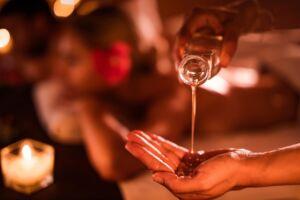
Massage is the manipulation of the body’s soft tissues. Massage techniques are commonly applied with hands, fingers, elbows, knees, forearms, feet or a device.
The purpose of massage is to treat and manage certain health conditions or to enhance general well-being. Massage has been practised in most cultures, both Eastern and Western throughout human history and was one of the earliest tools that people used to try to relieve pain.
Massage therapy today is used as a stand-alone-therapy or in combination with other treatments such as physiotherapy and aromatherapy. It is beneficial to all body systems and is a natural and effective way to treat both physical and psychological conditions.
It is increasingly becoming a recognised form of complementary therapy alongside traditional and conventional medical practices with a growing body of evidence to suggest that massage therapy can be effective in helping to treat and relieve certain chronic conditions.
The term “massage therapy” includes many techniques and movements can range from gentle stroking to invigorating friction. The most common form of massage therapy in Western countries is called Swedish or classical massage and is the core of most massage training programmes.
Other styles include Sports Massage, Aromatherapy, Deep Tissue Massage and Clinical Massage to accomplish specific goals such as releasing muscle spasms and massage traditions derived from ancient Eastern cultures such as Ayurvedic massage from ancient India and Shiatsu from Japan.
Massage is generally considered part of integrative medicine. It is increasingly being offered as a complementary therapy alongside standard treatments for a wide range of medical conditions.
Research has shown that massage therapies have a direct impact on lowering the levels of stress hormones, such as cortisol that create the ‘fight or flight’ response. When cortisol levels decline, the body’s natural hormones and anti-pain neurotransmitters such as dopamine, serotonin, endorphins and oxytocin increase by an average of 28% after receiving a massage.
• Reduced stress and increased relaxation
• Reduced pain, inflammation, muscle soreness and tension
• Improved joint flexibility and mobility
• Improved posture
• Improved blood circulation
• Improved energy levels
• Improved alertness
• Encouraging the release of red blood cells from bone marrow
• Increased oxygenation
• Increased lymphatic drainage
• Elimination of toxins
• Lowered heart rate
• Lowered blood pressure
• Boosting immune system function
• Reduced risk of injury in athletes
• Speeding up recovery following injury
• Enhanced skin tone and texture
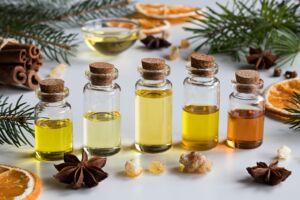 The use of oils in massage therapy has been an ancient art and science of blending naturally extracted essential oils from aromatic plants to balance and promote the physical and mental health of the body, mind and spirit.
Essential oils can only be extracted from aromatic plants, including flowers, leaves, roots, resins, seeds and fruit, with each essential oil having its own unique healing properties.
Aromatic oils have been part of human history for more than 3,500 years BC and appear throughout major civilisations with uses ranging from religious rituals, food flavouring, medicines, perfumes and the masking of bad odours. Early civilisations include Ancient India, Egypt and Greece.
Ancient India was one of the first civilisations to treat people holistically. Traditional Indian medicine, known as Ayurveda , meaning “knowledge” or “science” of life, is the oldest form of medical practice in the world, with plants and plant extracts being in continuous use from at least 5,000 years ago to the present day.
Stemming from the ancient Vedic culture, one of the oldest scriptures on plants lists various uses of over 700 plants and substances, such as sandalwood, ginger, myrrh, cinnamon and coriander for both religious and medicinal purposes.
The main purpose of massage oils is to lubricate the skin to reduce friction while performing a massage. The oils facilitate smooth, gliding strokes and easy manipulation on the skin’s surface.